Senior Housing Solutions Logo
Serving Southwest Florida Since 2008

2026 Senior Housing Trends: Demand, Technology & Investment Outlook

Modern senior housing community with active older adults in 2026

2026 Trends in Senior Housing: What Industry Leaders and Experts Are Predicting

The senior housing landscape is evolving fast as demographic shifts, consumer expectations, and technological advancements reshape how older adults live, age, and receive care. With the first wave of Baby Boomers reaching 80 in 2026, demand for senior housing options is set to reach historic levels—and industry professionals are already positioning for growth. PwC+1


📈 1. Unprecedented Demand and Occupancy Rates

Senior housing demand is booming—and supply isn’t keeping pace.

  • In 2026, the oldest Baby Boomers turn 80, pushing demand for senior housing to record highs. PwC

  • Occupancy rates across senior housing markets are rising steadily, approaching 90% or more, levels not seen in decades. NIC MAP

This strong demand is creating competitive markets, especially in independent and assisted living segments.


🏘️ 2. Tight Supply with Selective New Construction

Despite rising demand, new senior housing construction remains relatively low:

  • Inventory growth is historically constrained, with fewer new units entering the market relative to absorption. NIC MAP

  • Developers are focusing on targeted projects rather than broad expansion—often driven by financing conditions and construction costs. Multi-Housing News

This shortage creates opportunities for investment but also pressure on communities to innovate and remodel existing facilities.


💡 3. Diversified Housing Models — Independent, Hybrid, and “IL Lite”

The demographic shift is reshaping how senior housing is structured:

  • Independent Living & “Independent Living Lite” — appealing to active older adults who want maintenance-free living with optional services. Real Estate Daily News

  • Hybrid Models — combining assisted living and skilled nursing in a single campus, enabling seniors to age in place without relocation stress. All Seniors Foundation

These flexible models reflect seniors’ desire for choice, comfort, and continuity of care.


🤖 4. Technology and Innovation Enhancing Senior Living

Technology isn’t just a buzzword—it’s transforming the resident experience:

  • Smart health sensors, wearables, and AI-driven systems are improving safety and wellness monitoring. All Seniors Foundation

  • Virtual Reality (VR) and Augmented Reality (AR) tools are becoming mainstream in memory care, supporting engagement and cognitive stimulation. All Seniors Foundation

From digital fall detection to personalized care plans, tech trends are key differentiators for modern senior living communities.


💰 5. Price Dynamics and Affordability Challenges

As demand climbs, so do the costs of housing and care:

  • Operators are planning moderate rental rate increases in 2026 to balance affordability with operational costs. Senior Housing News

  • Entrance and monthly fees continue to trend upward due to labor and facility expenses. AInvest

For families and prospective residents, affordability remains a critical search topic.


🧠 6. Wellness, Holistic Health & Personalized Care

Senior housing isn’t just about physical space—it’s about holistic well-being:

  • Communities are boosting wellness programs that include fitness, mental health services, and nutrition tailored to individual needs. All Seniors Foundation

  • Personalized care plans are becoming the norm, blending clinical assessment with lifestyle and cultural preferences. All Seniors Foundation

Quality of life is increasingly a differentiator in a competitive market.


📊 7. Investment Confidence and Market Stability

Investor interest in senior housing is rising:

  • Capital markets continue to view senior housing as a resilient asset class, with cap rate compression expected in 2026. CBRE

  • Improved financing conditions and renewed capital flows make this sector more attractive to REITs and institutional buyers. Multi-Housing News

This financial momentum supports long-term growth and innovation.


Final Thoughts

2026 is poised to be a transformational year for senior housing—driven by aging demographics, technology adoption, evolving care models, and market forces. Whether you’re planning retirement, investing in real estate, or operating a senior living community, these trends can help you anticipate change and make informed decisions.

Should You Buy or Rent a Senior Housing Residence?

Should You Buy or Rent a Senior Housing Residence?

Should You Buy or Rent a Senior Housing Residence? A Complete Guide for Planning Ahead

Deciding whether to buy or rent a senior housing residence is one of the most important financial and lifestyle choices older adults and their families face. With options ranging from independent living to continuing care retirement communities (CCRCs), the right decision depends on your health, finances, and long-term plans.

If you’re planning ahead and weighing your options, this guide will help you understand the pros and cons of buying vs. renting senior housing so you can make a confident, informed decision.


Understanding Senior Housing Options

Before deciding whether to buy or rent, it’s important to understand what each option typically involves.

Buying Senior Housing

Buying often means paying a large entrance fee or purchasing a condo-style unit in a senior living community. This model is common in:

  • Continuing Care Retirement Communities (CCRCs)

  • 55+ ownership communities

  • Cooperative senior housing

In many cases, buying provides long-term residency and access to multiple levels of care.

Renting Senior Housing

Renting involves paying a monthly fee with no large upfront cost. Rental options are common in:

  • Independent living communities

  • Assisted living residences

  • Some active adult communities

Renting offers flexibility and lower financial commitment.


Pros and Cons of Buying a Senior Housing Residence

Advantages of Buying

  • Long-term cost stability: Monthly fees may be lower over time.

  • Potential equity: Some contracts allow partial refunds or resale.

  • Priority access to care: Especially in CCRCs.

  • Stability: Ideal for those planning to stay long term.

Disadvantages of Buying

  • High upfront cost: Entrance fees can reach six figures.

  • Less flexibility: Harder to relocate if circumstances change.

  • Financial risk: Resale value or refunds are not guaranteed.

  • Ongoing fees: Monthly maintenance and care fees still apply.

Best for: Seniors who are financially secure, plan to stay long term, and want predictable care access.


Pros and Cons of Renting a Senior Housing Residence

Advantages of Renting

  • Lower upfront cost: No large investment required.

  • Flexibility: Easier to move if health, finances, or location needs change.

  • Simpler contracts: Fewer long-term financial obligations.

  • Cash preservation: Savings remain available for future care.

Disadvantages of Renting

  • No ownership or equity

  • Monthly costs may rise over time

  • Higher long-term cost if you stay many years

Best for: Seniors planning ahead, those unsure of long-term needs, or anyone prioritizing flexibility.


Buying vs. Renting Senior Housing: Cost Comparison

When comparing costs, consider:

  • Length of stay (short-term vs. long-term)

  • Included services (meals, transportation, healthcare)

  • Annual fee increases

  • Health care coverage and future care needs

General rule of thumb:

  • Renting is often more cost-effective for stays under 5–7 years.

  • Buying may make financial sense if you plan to stay 10 years or longer.


Planning Ahead: Which Option Makes More Sense?

If you are healthy and planning ahead, renting is often the smarter first step. It allows you to:

  • Try a community without long-term commitment

  • Maintain financial flexibility

  • Adjust plans as health or family needs change

Many seniors choose to rent initially and later transition to a purchase once they feel confident about the community and their long-term needs.


Questions to Ask Before You Decide

Whether buying or renting, ask these key questions:

  • What services are included in the monthly fee?

  • How often do fees increase?

  • What happens if my health changes?

  • Are there move-out fees or resale restrictions?

  • What level of care is guaranteed?

Review all contracts carefully and consider consulting a financial planner or elder law attorney.


Final Thoughts: Should You Buy or Rent Senior Housing?

There is no one-size-fits-all answer. The best choice depends on your:

  • Financial situation

  • Health outlook

  • Desire for flexibility vs. stability

  • Timeline for moving

In most planning-ahead scenarios, renting offers flexibility and lower risk, while buying can provide long-term security for those ready to commit.

Taking time to tour communities, compare costs, and plan strategically will help ensure your decision supports both your lifestyle and financial well-being.

How do you watch your wallet when paying for assisted living?

How do you watch your wallet when paying for assisted living

How do you watch your wallet when paying for assisted living?

“Watching your wallet” when paying for assisted living means making sure you’re not overspending, not being overcharged, and not missing financial assistance you might qualify for. Here’s a clear, practical breakdown:


1. Understand What You’re Actually Paying For

Assisted living costs are usually split into:

  • Base rent (room, meals, housekeeping)

  • Care level fees (medication management, mobility help, bathing, etc.)

  • A la carte services (transportation, personal laundry, cable/internet, etc.)

How to protect your wallet:

✔ Ask for the full fee schedule in writing.
✔ Request a care assessment before signing anything so you know what level they will charge.
✔ Review monthly invoices to ensure care levels haven’t been quietly increased.


2. Compare Facilities the Right Way

Prices vary widely—even within the same city.

Tips:

✔ Compare total monthly cost, not just base rent.
✔ Evaluate what increases are typical (many raise prices 4–8% per year).
✔ Ask each facility: “What does a typical resident actually end up paying after 12 months?”


3. Avoid Common Overpayment Traps

  • Automatic care-level increases without a clear reason

  • Being charged for services you don’t need

  • Paying for add-on packages that duplicate things the resident already has

  • Signing long-term contracts (monthly agreements are safer)


4. Use Financial Assistance Options

Depending on the situation, these can significantly reduce costs:

✔ Long-Term Care Insurance

Make sure the facility fills out the forms correctly so you receive maximum benefits.

✔ VA Aid & Attendance (for veterans/spouses)

Pays $1,300–$3,000+ per month depending on eligibility.

✔ Medicaid (in some states)

Some assisted living communities accept Medicaid Waivers—this can cut costs dramatically.

✔ State or local senior subsidies

Some counties offer small grants or sliding-scale programs.


5. Review the Contract Carefully

Before signing:

  • Look for fee increase terms

  • Check for refund policies

  • Make sure services included are clearly listed

  • Ask for a 30-day notice requirement if care levels or fees change

Consider having:

  • A senior care attorney

  • A financial advisor familiar with elder care

review the contract if it’s a large or long-term commitment.


6. Reassess Annually

Needs change. If care increases, ask:

  • Is this medically necessary?

  • Can any services be removed or provided at home to lower costs?


7. Protect Against Financial Exploitation

If the person moving into assisted living is vulnerable:

  • Set up automatic bill pay for predictable expenses

  • Use a trusted financial power of attorney

  • Monitor monthly statements

  • Watch for sudden facility charges or additional services not authorized

The Complete Guide for Seniors Moving from New York to a Senior Living Community in Florida


The Complete Guide for Seniors Moving from New York to a Senior Living Community in Florida

🌴 The Complete Guide for Seniors Moving from New York to a Senior Living Community in Florida

If you’re a senior considering relocating from New York to Florida, you’re joining thousands of others seeking sunshine, a lower cost of living, and access to top-tier senior-living communities. Whether you want an active-adult neighborhood, a continuing-care retirement community (CCRC), or assisted living, this guide helps you plan a smooth and confident move.


☀️ Why Seniors Choose Florida

1. Warm Weather All Year

Florida’s subtropical climate means no more icy sidewalks or snow shoveling—ideal for joint health and outdoor activity.

The Complete Guide for Seniors Moving from New York to a Senior Living Community in Florida

2. Tax Advantages

  • No state income tax
  • No tax on Social Security or pensions
  • Lower property taxes than many New York counties
    These benefits can make your retirement income stretch further.

3. Variety of Senior-Living Options

Florida offers a wide range of senior-living models:

  • Independent living communities for active retirees
  • Assisted living facilities with 24-hour support
  • Continuing Care Retirement Communities (CCRCs) offering aging-in-place flexibility

🏡 Steps to Plan Your Move

Step 1: Define Your Lifestyle and Care Needs

Ask yourself:

  • Do you want an active-adult lifestyle or daily assistance?
  • Is proximity to family, healthcare, or recreation most important?
  • Would you prefer a resort-style campus or a quiet residential setting?

Step 2: Research Florida’s Top Senior-Living Areas

The Complete Guide for Seniors Moving from New York to a Senior Living Community in Florida

Popular destinations include:

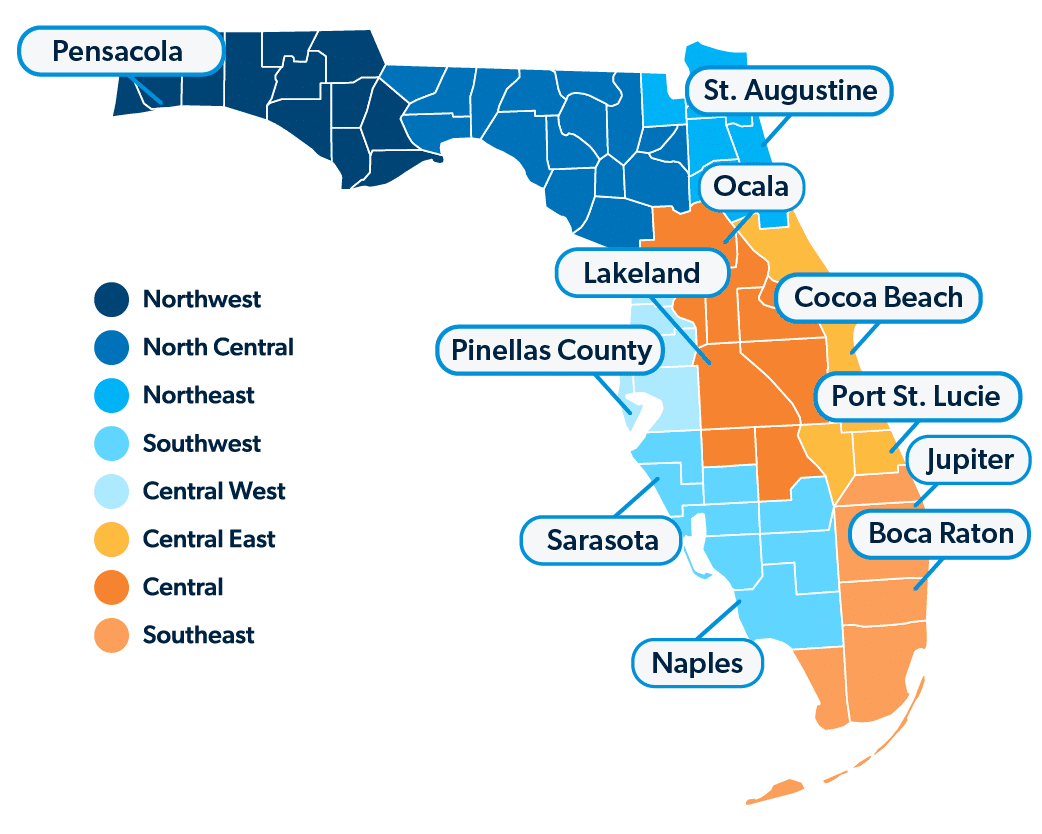
  • Naples & Bonita Springs
  • Sarasota
  • Boca Raton & Delray Beach
  • Orlando & The Villages

Step 3: Visit Communities in Person

Before deciding:

  • Tour residences and speak to current residents
  • Sample meals and check recreational offerings
  • Ask about healthcare partnerships and emergency protocols

Step 4: Compare Costs

  • Entrance or community fees (if CCRC)
  • Monthly service fees (meals, housekeeping, transportation)
  • Cost of higher-level care if needs change
    Request a fee breakdown for transparency.

Step 5: Plan the Logistics

  • Hire senior-move specialists who can downsize and handle fragile belongings
  • Update records (driver’s license, voter registration, medical providers)
  • Transfer prescriptions and insurance coverage before relocating

🏥 Healthcare and Services in Florida

Florida’s healthcare infrastructure is one of the nation’s best for retirees, featuring top-rated hospitals, ample Medicare-participating providers and specialty care centers.


🌅 Emotional and Social Transition Tips

Moving from New York’s fast pace to Florida’s more relaxed atmosphere takes adjustment. To settle in quickly:

  • Join community clubs, volunteer groups, or hobby classes
  • Stay in touch with friends and family through video calls
  • Explore local attractions—Florida’s beaches, art festivals, and golf courses offer endless recreation

The Complete Guide for Seniors Moving from New York to a Senior Living Community in Florida

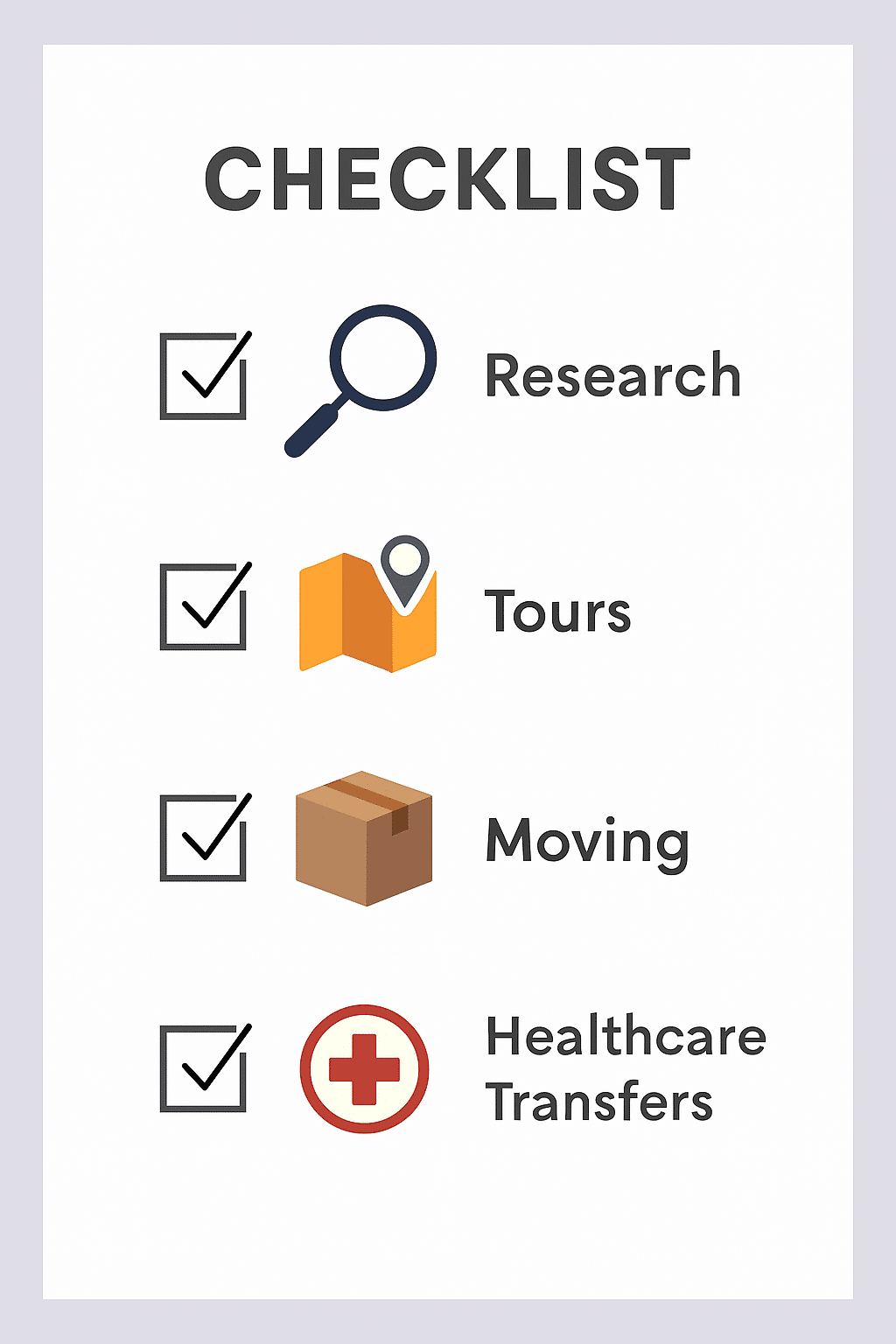
✅ Quick Checklist

Task Completed
Research senior-living communities ☐
Schedule tours ☐
Compare fees and amenities ☐
Hire movers specializing in senior relocations ☐
Transfer healthcare and insurance ☐
Update address and legal documents ☐

The Complete Guide for Seniors Moving from New York to a Senior Living Community in Florida

📞 Call to Action

If you’re ready to explore senior living options in Southwest Florida — and want personalized, expert guidance — reach out to Senior Housing Solutions. With over 30 years of local experience and a deep understanding of communities across Naples, Bonita Springs, Estero and beyond, they offer free, no-obligation consultations to match your needs, preferences and budget to the right community.


The Complete Guide for Seniors Moving from New York to a Senior Living Community in Florida

🧭 Final Thoughts

Relocating from New York to Florida can transform your retirement—offering a comfortable climate, favorable finances, and a strong network of senior-friendly communities. By planning ahead and working with a trusted advisor like Senior Housing Solutions, you can find a place that matches your lifestyle, comfort level, and long-term care goals.


Should Couples Move to Senior Living in Naples, FL? | Senior Housing Solutions

Senior couple enjoying retirement together in Naples, Florida.

Should Couples Move Together to a Senior Living Community in Naples, FL?

As couples look ahead to retirement and the next stage of life, many begin to explore options that provide comfort, safety, and meaningful connection. One question that often arises is: Should couples move together to a senior living community?

For those in Naples, Florida, the answer is often a resounding “yes.” With its warm climate, beautiful surroundings, and exceptional senior living options, Naples offers couples an ideal setting to enjoy retirement together. At Senior Housing Solutions, we’ve helped many couples make this important transition — and we’ve seen firsthand the benefits it can bring.


Senior couple relaxing on their balcony in a Naples senior living community.

The Benefits of Moving Together

1. Continue Life’s Journey Side by Side

Moving to a Naples senior living community together allows couples to maintain their emotional bond and daily routines. From enjoying chef-prepared meals to participating in social events or sunset strolls, you’ll continue to share experiences that make retirement fulfilling.

2. Access to the Right Level of Care

One of the greatest advantages of Naples’ senior living options is flexibility. Many communities offer independent living, assisted living, and memory care all in one place. This means if one spouse needs more care, both can remain in the same community — ensuring continuity, comfort, and peace of mind.

Residents enjoying outdoor activities in a Naples senior community.

3. A Maintenance-Free Lifestyle

Say goodbye to home maintenance, yard work, and household chores. Senior living communities in Naples take care of it all, allowing couples to spend more time enjoying what matters — whether that’s visiting local attractions, playing golf, or relaxing by the pool.


Common Concerns Couples Have

“What if one of us isn’t ready?”

It’s common for one partner to feel more ready for the move than the other. Touring communities together can help both spouses feel more comfortable. A knowledgeable senior living advisor in Naples can help balance both perspectives and find a solution that feels right for both.

“Can we share an apartment?”

Absolutely. Most Naples senior living communities offer spacious one- and two-bedroom apartments designed with couples in mind — blending comfort, privacy, and accessibility.

“What happens if our care needs change?”

Naples has several Continuing Care Retirement Communities (CCRCs) that allow couples to age in place. You can remain close to one another, even if your care levels differ, without having to relocate again.


Senior couple meeting with a senior housing advisor in Naples, FL.

Emotional and Financial Advantages

Moving to a senior community together often makes financial sense. Sharing an apartment and amenities can be more cost-effective than maintaining a private home or arranging separate care. Beyond finances, couples find peace of mind knowing they are both in a supportive, secure environment that encourages connection and well-being.


Naples, Florida beach — a popular destination for senior living and retirement.

Why Naples, FL Is Perfect for Senior Couples

Naples is one of Florida’s most desirable retirement destinations for good reason. The area offers a blend of luxury senior living communities, beautiful weather, world-class healthcare, and a vibrant social scene. Whether you’re enjoying a beach day, visiting the Naples Botanical Garden, or attending a community concert, there’s always something to do together.


Making the Transition Easier

Moving to a senior living community is a major life decision, and planning ahead makes all the difference. Visit communities, ask questions, and talk openly about what matters most to each of you.

At Senior Housing Solutions, we provide free, personalized guidance to help couples find the right Naples senior living community that fits their lifestyle, care needs, and budget.


Happy couple moving into a Naples senior living community together.

Final Thoughts

For many couples, moving together to a senior living community in Naples is not just a practical choice — it’s a lifestyle upgrade. With so many options designed to enhance independence, safety, and connection, Naples truly offers the best of both worlds: peace of mind and endless possibilities for shared enjoyment.


💡 Ready to start exploring senior living options in Naples?
Contact Senior Housing Solutions today for free, personalized guidance from local experts.
📞 Call (239) 595-0207 or visit SeniorHousingSolutions.net