

Senior Housing Solutions Logo
Serving Southwest Florida Since 2008

Comparison Guide Link

Should Couples Move to Senior Living in Naples, FL? | Senior Housing Solutions

Senior couple enjoying retirement together in Naples, Florida.

Should Couples Move Together to a Senior Living Community in Naples, FL?

As couples look ahead to retirement and the next stage of life, many begin to explore options that provide comfort, safety, and meaningful connection. One question that often arises is: Should couples move together to a senior living community?

For those in Naples, Florida, the answer is often a resounding “yes.” With its warm climate, beautiful surroundings, and exceptional senior living options, Naples offers couples an ideal setting to enjoy retirement together. At Senior Housing Solutions, we’ve helped many couples make this important transition — and we’ve seen firsthand the benefits it can bring.


Senior couple relaxing on their balcony in a Naples senior living community.

The Benefits of Moving Together

1. Continue Life’s Journey Side by Side

Moving to a Naples senior living community together allows couples to maintain their emotional bond and daily routines. From enjoying chef-prepared meals to participating in social events or sunset strolls, you’ll continue to share experiences that make retirement fulfilling.

2. Access to the Right Level of Care

One of the greatest advantages of Naples’ senior living options is flexibility. Many communities offer independent living, assisted living, and memory care all in one place. This means if one spouse needs more care, both can remain in the same community — ensuring continuity, comfort, and peace of mind.

Residents enjoying outdoor activities in a Naples senior community.

3. A Maintenance-Free Lifestyle

Say goodbye to home maintenance, yard work, and household chores. Senior living communities in Naples take care of it all, allowing couples to spend more time enjoying what matters — whether that’s visiting local attractions, playing golf, or relaxing by the pool.


Common Concerns Couples Have

“What if one of us isn’t ready?”

It’s common for one partner to feel more ready for the move than the other. Touring communities together can help both spouses feel more comfortable. A knowledgeable senior living advisor in Naples can help balance both perspectives and find a solution that feels right for both.

“Can we share an apartment?”

Absolutely. Most Naples senior living communities offer spacious one- and two-bedroom apartments designed with couples in mind — blending comfort, privacy, and accessibility.

“What happens if our care needs change?”

Naples has several Continuing Care Retirement Communities (CCRCs) that allow couples to age in place. You can remain close to one another, even if your care levels differ, without having to relocate again.


Senior couple meeting with a senior housing advisor in Naples, FL.

Emotional and Financial Advantages

Moving to a senior community together often makes financial sense. Sharing an apartment and amenities can be more cost-effective than maintaining a private home or arranging separate care. Beyond finances, couples find peace of mind knowing they are both in a supportive, secure environment that encourages connection and well-being.


Naples, Florida beach — a popular destination for senior living and retirement.

Why Naples, FL Is Perfect for Senior Couples

Naples is one of Florida’s most desirable retirement destinations for good reason. The area offers a blend of luxury senior living communities, beautiful weather, world-class healthcare, and a vibrant social scene. Whether you’re enjoying a beach day, visiting the Naples Botanical Garden, or attending a community concert, there’s always something to do together.


Making the Transition Easier

Moving to a senior living community is a major life decision, and planning ahead makes all the difference. Visit communities, ask questions, and talk openly about what matters most to each of you.

At Senior Housing Solutions, we provide free, personalized guidance to help couples find the right Naples senior living community that fits their lifestyle, care needs, and budget.


Happy couple moving into a Naples senior living community together.

Final Thoughts

For many couples, moving together to a senior living community in Naples is not just a practical choice — it’s a lifestyle upgrade. With so many options designed to enhance independence, safety, and connection, Naples truly offers the best of both worlds: peace of mind and endless possibilities for shared enjoyment.


💡 Ready to start exploring senior living options in Naples?
Contact Senior Housing Solutions today for free, personalized guidance from local experts.
📞 Call (239) 595-0207 or visit SeniorHousingSolutions.net
Finding the Best Assisted Living in Naples, FL: A Guide for Adult Children

Finding the Best Assisted Living in Naples, FL: A Guide for Adult Children

Finding the Best Assisted Living in Naples, FL: A Guide for Adult Children

Choosing an assisted living community for a loved one can feel overwhelming. With so many options, it’s natural to ask, “Where do I even start?” After 35 years helping families in Southwest Florida, I’ve guided countless adult children through this process, and I’ve learned that a personal, one-on-one approach is key. This guide will help you navigate your options, ask the right questions, and find the best assisted living near you in Naples, FL.


Finding the Best Assisted Living in Naples, FL: A Guide for Adult Children

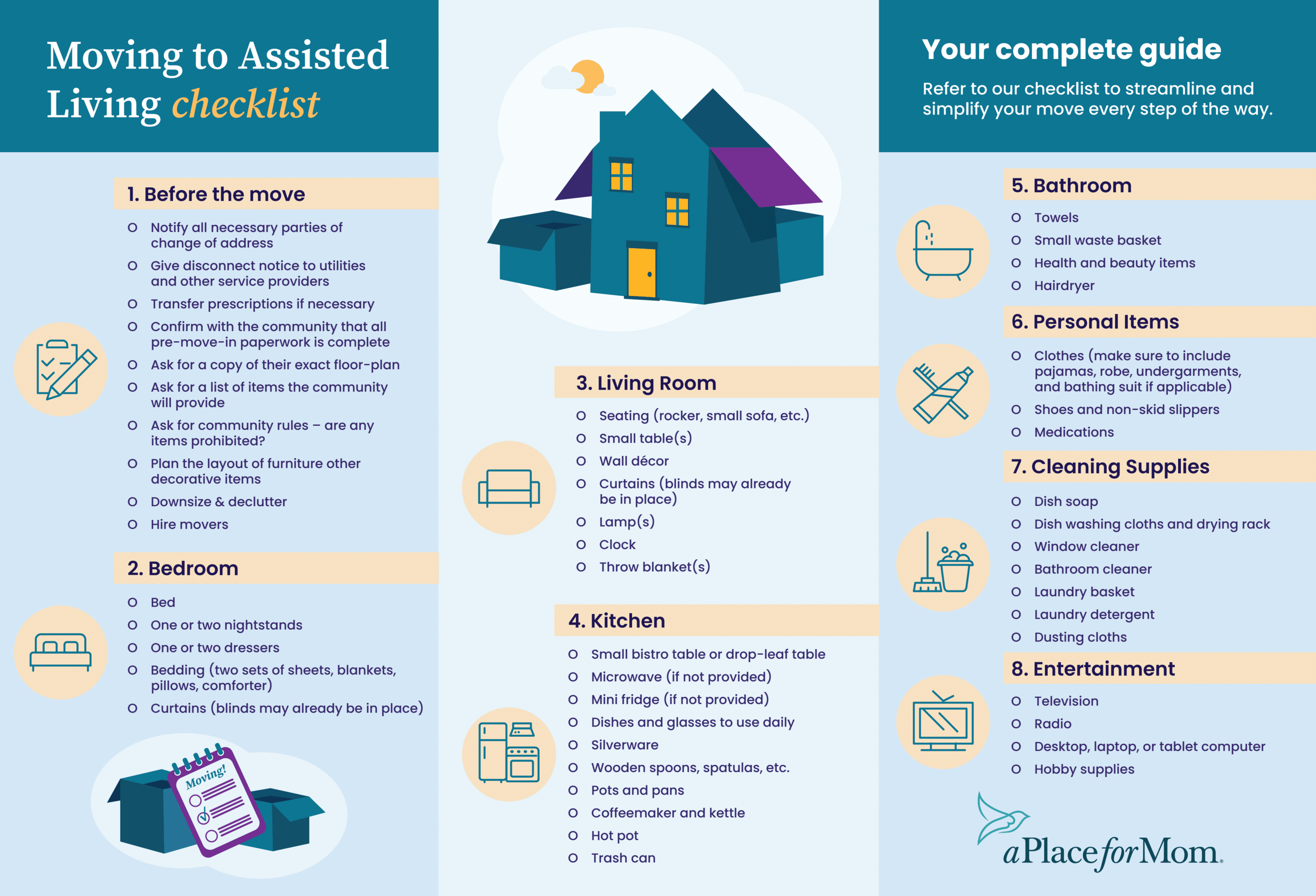
Moving-to-Assisted-Living-Checklist.

Start with Your Loved One’s Needs

Every family’s situation is unique, so the first step is understanding your loved one’s specific needs:

  • Level of care required: Do they need help with daily tasks like bathing, dressing, or medication management?

  • Medical conditions: Memory care for dementia or Alzheimer’s may require specialized programs.

  • Lifestyle preferences: Do they want an active social environment or a quieter, smaller community?

By clarifying these needs upfront, you can narrow down communities that are a good fit.


Research Assisted Living Communities

Once you know your loved one’s needs, start researching local options. Naples has a range of assisted living facilities, so it’s important to:

  • Look for licensed and accredited communities

  • Read reviews and testimonials from families

  • Check amenities and services offered

  • Visit multiple communities in person whenever possible

Tip: Searching “assisted living near me” online is a good starting point, but it’s not enough. The best fit often comes from hands-on exploration and personalized guidance.


Ask the Right Questions

When visiting communities, ask specific questions to understand their care and environment:

  1. What is the staff-to-resident ratio?

  2. How is medication management handled?

  3. Are there social activities and wellness programs?

  4. How are dietary needs and preferences accommodated?

  5. What is the protocol for medical emergencies?

Take notes and compare answers across communities to make an informed decision.


Learn from Real Experiences

In my years helping families, I’ve seen the difference a personal approach makes. For example, one family came to me overwhelmed by options. By discussing their parent’s daily habits, medical needs, and personality, we visited three facilities that matched their criteria. They found a community where their parent thrived socially and medically, and the adult children felt confident in their choice.

Your experience can be just as successful with the right guidance.


Finding the Best Assisted Living in Naples, FL: A Guide for Adult Children

Senior residents enjoying assisted living activities in Naples, FL

Tips for a Smooth Transition

Moving into assisted living is a big change. Here are tips to help your loved one adjust:

  • Involve them in the decision-making as much as possible

  • Bring personal items from home to make the space familiar

  • Encourage participation in social activities gradually

  • Maintain regular visits to provide reassurance


FAQ

Q: How do I know if assisted living is the right choice?
A: Look for signs your loved one needs help with daily activities or medical supervision.

Q: How much does assisted living in Naples cost?
A: Costs vary based on level of care, amenities, and location. Always ask communities for a full breakdown.

Q: Can I trust online reviews?
A: Reviews are helpful but combine them with personal visits and conversations with staff.


Take the First Step

Finding the best assisted living in Naples doesn’t have to be overwhelming. With careful research, asking the right questions, and guidance from someone with experience, you can find a community where your loved one will thrive.

If you’re ready to start the process, call me at 239-595-0207 to schedule a personal consultation. Together, we can find the assisted living option that’s perfect for your family.


How Technology is Transforming Senior Housing in 2025

How Technology is Transforming Senior Housing in 2025

How Technology is Transforming Senior Housing in 2025

Introduction
Senior housing is evolving rapidly—and technology is at the center of that transformation. As demand for safer, smarter, and more connected living environments grows, communities are integrating new technologies that enhance health, safety, and quality of life for older adults.

In this article, we explore the top technologies shaping senior housing in 2025, from smart home systems and health monitoring to AI-powered care coordination and virtual engagement. Whether you’re a developer, operator, caregiver, or family member, understanding these innovations is key to building or choosing the right senior living solution.

Why Technology Matters in Senior Housing

  • Aging population: The U.S. 75+ population will grow by over 40% in the next decade, increasing demand for senior living that supports aging in place and better care.
  • Safety & independence: Older adults want independence without sacrificing safety—technology bridges that gap.
  • Workforce shortages: Tech helps address staffing gaps in care communities through automation and remote monitoring.
  • Family expectations: Today’s families expect digital updates, real-time communication, and better transparency in care.

7 Technologies Transforming Senior Living Communities

  1. Smart Home Automation

Modern senior living apartments increasingly feature smart thermostats, motion sensors, automated lighting, and voice assistants (like Alexa or Google Home). These systems:

  • Improve comfort and accessibility
  • Help prevent accidents (e.g., lighting pathways at night)
  • Enable residents to control their environment with voice or app commands

Example: Motion-activated lighting can reduce nighttime falls by up to 30% in older adult communities.

  1. Remote Health Monitoring

Wearables and in-room sensors now track:

  • Heart rate, blood pressure, glucose levels
  • Sleep quality and movement
  • Medication adherence

These tools alert caregivers in real-time if something is off. Some even use AI to detect early signs of illness or cognitive decline, preventing hospital visits.

Trending tools: Apple Watch with fall detection, Withings health monitors, and remote vitals systems integrated into platforms like CarePredict and SafelyYou.

  1. Telehealth and Virtual Care

Telemedicine is now a standard in many senior communities. Residents can consult doctors or specialists without leaving home, which:

  • Reduces stress and transportation needs
  • Increases access to specialists (especially in rural areas)
  • Lowers costs for both families and providers

Many communities offer on-site telehealth rooms or tablets for private virtual appointments.

  1. AI-Powered Care Management

Artificial Intelligence is helping care teams manage:

  • Resident schedules and service plans
  • Staffing and shift coverage
  • Early risk detection (e.g., fall risk, UTIs, behavioral changes)

Platforms like Yardi, PointClickCare, and CarePredict use data analytics to recommend personalized interventions.

Example: AI can analyze patterns to predict falls up to a week in advance by tracking gait speed and bathroom frequency.

  1. Social Engagement and VR Therapy

Loneliness is one of the biggest challenges in senior care. Technology offers new ways to connect and engage:

  • Virtual Reality (VR): Used for reminiscence therapy, travel experiences, and even cognitive training
  • Video calling: Easy-to-use tablets allow frequent family contact
  • Online communities: Seniors join interest groups, play games, or attend virtual events

Insight: VR programs like Rendever have been shown to reduce depression symptoms in older adults by over 30% after regular use.

  1. Emergency Response Systems

Traditional call buttons have been replaced (or upgraded) with:

  • Wearable emergency alert devices
  • Voice-activated help commands
  • Geofencing technology for wandering prevention in memory care

Advanced systems can automatically notify staff, family, and EMS—without requiring the resident to press a button.

  1. Cybersecurity & Privacy Controls

As technology adoption grows, so do concerns around data privacy and cyber threats. Leading communities are:

  • Installing encrypted communication systems
  • Offering digital literacy programs to residents
  • Complying with HIPAA and other regulatory standards for health data

Cybersecurity is now a critical component of trust in tech-enabled care environments.

Benefits for Operators and Families

Stakeholder

Benefits of Technology

Operators

Efficiency, lower costs, staff support, better resident outcomes

Families

Peace of mind, real-time updates, virtual involvement

Residents

Greater independence, health support, social connection

Challenges to Watch

  • Adoption resistance: Some older adults are hesitant to use new tech
  • Training needs: Both staff and residents require proper onboarding
  • Cost barriers: Advanced tech may increase costs unless subsidized or scaled
  • Connectivity: Rural areas may face internet access limitations

Future Outlook: What’s Next?

  • Robotics: Companion robots and delivery bots are entering trial stages
  • Predictive health: AI may soon forecast health events weeks ahead
  • 5G-powered care: Faster, more reliable internet will improve telehealth and smart monitoring
  • Integrated platforms: One dashboard for all care data, family communication, and resident updates

Stat to know: By 2027, over 60% of senior living communities are expected to integrate AI or IoT-based care systems, according to industry analysts.

Conclusion

Technology is not replacing the human touch in senior care—but it’s enhancing it. From better health outcomes to stronger connections and safer environments, innovation is helping older adults live with greater dignity and freedom. For providers, families, and residents alike, tech-forward senior housing is no longer a trend—it’s the future.

How Much Does Memory Care Cost in 2025?

How Much Does Memory Care Cost in 2025?

How Much Does Memory Care Cost in 2025? [Complete Guide]

If you’re planning for a loved one’s care or thinking ahead for yourself, understanding the cost of memory care in 2025 is more important than ever. Memory care costs have risen significantly in recent years — and they vary widely depending on where you live, the type of facility, and the level of care needed.

In this guide, we’ll break down:

  • The average cost of memory care in 2025

  • State-by-state pricing differences

  • What’s included (and not included) in memory care costs

  • How to pay for memory care

  • Tips to make memory care more affordable

Let’s dive in.


What Is Memory Care?

Memory care is a type of long-term residential care designed specifically for individuals living with Alzheimer’s, dementia, or other cognitive impairments. It’s typically offered as a specialized wing of an assisted living facility or as a standalone memory care community.

Memory care includes:

  • 24/7 supervision and secure environments

  • Specialized staff trained in dementia care

  • Assistance with daily living (ADLs)

  • Medication management

  • Structured daily routines and activities

Because of the higher level of care and safety required, memory care is more expensive than traditional assisted living.


What Is the Average Cost of Memory Care in 2025?

As of 2025, the average cost of memory care in the U.S. is between $6,500 and $8,500 per month, depending on location and level of care. That’s $78,000 to over $100,000 per year.

Care Type2025 Monthly AverageAnnual Cost
Assisted Living$5,000$60,000
Memory Care$7,785$93,420
Nursing Home (Private Room)$9,500+$114,000+

💡 Memory care typically costs 20–30% more than assisted living due to the specialized services provided.


Memory Care Costs by State in 2025

Here’s a snapshot of memory care costs in different states in 2025:

StateMonthly Cost
California$8,200+
Texas$6,800
Florida$5,495
New York$9,000+
Arizona$6,300
Illinois$7,200
Georgia$6,000
Massachusetts$9,500+

Note: These are average estimates. Costs vary based on city, facility, and individual needs.


What’s Included in the Cost of Memory Care?

Memory care costs usually include:

✅ 24/7 staff supervision
✅ Private or semi-private room
✅ Meals and snacks
✅ Housekeeping and laundry
✅ Medication management
✅ Cognitive therapies and activities
✅ Help with bathing, dressing, eating, and more

But not all services are included. Watch for:

🚫 Extra fees for advanced care needs
🚫 Charges for transportation, doctor visits, or special therapies
🚫 Move-in fees or annual rate increases

Always ask for a detailed breakdown of costs when touring a facility.


Why Memory Care Costs Are Rising in 2025

There are several reasons memory care prices have gone up in 2025:

  1. Higher Staffing Costs – Facilities need more skilled caregivers, and wages have increased.

  2. Increased Demand – The aging population and rise in dementia cases have pushed demand up.

  3. Enhanced Safety Regulations – Compliance with state safety and training laws adds to operational costs.

  4. Inflation – General inflation impacts utilities, food, and supplies.


How to Pay for Memory Care

Paying for memory care can be overwhelming, but here are the most common options:

1. Private Pay

  • Savings, retirement funds, investments

  • Most families use private pay for at least part of memory care

2. Long-Term Care Insurance

  • Policies that cover memory care must be in place before diagnosis

  • Check policy details and exclusions

3. Veterans Benefits

  • Eligible veterans may qualify for VA Aid and Attendance

  • Can provide ~$1,300–$2,600/month in assistance

4. Medicaid (Limited)

  • Medicaid may cover memory care in certain states or under HCBS waivers

  • Usually requires income/assets to be below a set threshold

5. Home Equity / Reverse Mortgages

  • Selling or borrowing against a home can help fund care


How to Make Memory Care More Affordable

Here are smart ways to reduce or manage memory care costs:

Tour multiple facilities – Prices and amenities can vary greatly
Negotiate move-in fees – Some facilities offer discounts or fee waivers
Choose a shared room – Shared living can reduce monthly costs
Consider moving to a lower-cost state or rural area
Plan ahead – The earlier you plan, the more options you’ll have


Questions to Ask When Comparing Memory Care Facilities

Before signing a contract, ask:

  • What’s included in the monthly rate?

  • Are there additional charges for care levels?

  • How often do prices increase?

  • Is there a waitlist or minimum stay?

  • What’s the staff-to-resident ratio?

Bring a checklist to every tour, and don’t be afraid to ask detailed questions.


Final Thoughts: Memory Care Costs Are High, But Planning Makes a Difference

The cost of memory care in 2025 is significant, with monthly rates ranging from $5,000 to over $10,000. But quality care can provide safety, comfort, and peace of mind for families facing dementia.

Planning early, exploring financial aid options, and comparing facilities carefully can make memory care more manageable and help you find the right fit for your loved one.

Senior Housing Trends in 2025 & Beyond: What’s Changing, What Matters

Senior Housing Trends in 2025 & Beyond: What’s Changing, What Matters

Senior Housing Trends in 2025 & Beyond: What’s Changing, What Matters

Introduction
As the U.S. population ages, senior housing is undergoing rapid transformation. From shifts in demand, design, amenities, financing and services, the senior housing sector is reacting to demographic, economic, and technological trends in ways that will reshape how older adults live, age, and receive care. Whether you’re an investor, developer, operator or family making choices, knowing what’s trending can guide better decisions.


Key Data & Market Forces

  • Occupancy in U.S. senior housing rose to about 87.4% in Q1 2025, up from ~87.1% in Q4 2024. National Investment Center+1

  • Independent living communities have nearly recovered past occupancy levels and have been gaining faster recently than assisted living. National Investment Center+1

  • Inventory growth (new units coming online) has dropped below 1% year‑over‑year in many areas, the lowest since tracking began. National Investment Center

  • Investor interest is high: in a 2025 JLL survey, 78% of respondents plan to increase exposure to seniors housing. Assisted living remains a top‑choice sub‑segment. JLL

These forces — high occupancy, constrained supply, rising demand, favorable investment sentiment — set the backdrop for many of the trends below.


Top Trends Shaping Senior Housing

1. Demand Shift: Independent, Active Adult & Hybrid Models

  • More Baby Boomers want active lifestyles and autonomy, pushing demand for independent living and “active adult” rental communities. National Investment Center+2JLL+2

  • Hybrid delivery models are growing: services delivered at home, or flexible service levels depending on needs. Seniors increasingly prefer aging‑in‑place with just‑in‑time care rather than moving to full assisted or skilled care unless necessary. AIM+2Plaza Companies+2

2. Affordability Pressure & Supply Constraints

  • New supply is low, development costs (land, labor, materials) are high. Inventory growth falling under 1% signals growing imbalance. National Investment Center+2JLL+2

  • Rents are rising: more than 56% of investors expect 3%+ increases in rent over the next 12 months. Independent living expected to see some of the highest rent growth. CBRE+2JLL+2

  • The gap between what many seniors need / want and what they can afford is growing, especially for memory care or assisted living. Affordable senior housing remains under‑supplied. MarketWatch+2CRE Daily+2

3. Technology, Monitoring & Smart Homes

  • Senior housing operators are increasingly using smart sensors, wearable devices, predictive analytics to deliver safety, monitor health (falls, vitals), and personalize care. LCS Net+1

  • Telehealth and virtual care are more common, enabling remote medical check‑ups or consultations, which is especially helpful for residents with mobility challenges. AIM+1

  • Digital care plans, automation of back‑office operations (financials, scheduling) help improve efficiency and reduce errors. Findcarez+1

4. Wellness, Holistic Care & Mental Health

  • Programs are focusing beyond basic physical care: residents want fitness, nutrition, cognitive stimulation, mindfulness, social connection. Wellness first rather than reactive care. AIM+1

  • Memory care services are expanding, with more attention on environments and programming that support cognition, with structure, safety, and comfort. Steinmeyer Consulting+1

5. Design & Amenities: Residential, Green, Intergenerational

  • Design styles leaning toward less institutional, more homelike: biophilic design (nature inside/out), indoor‑outdoor common areas, better lighting, ventilation. Findcarez+2Goebel Design Group+2

  • Sustainability is more than a “nice‑to‑have”: energy efficiency, solar power, green roofs, low‑VOC materials are being used. Goebel Design Group+1

  • Intergenerational amenities are growing: shared spaces, community engagement, programs that invite younger people/families into senior housing (visits, volunteering, mentorship). Goebel Design Group+1


What Operators, Developers & Families Should Keep in Mind

  • Location matters: Secondary markets are bouncing back; rent growth and occupancy strong in many such markets. However, tight supply makes prime locations more competitive.

  • Flexibility in offerings: Having multiple care/service levels in one facility, or “modular” care plans helps meet differing resident preferences and increases appeal.

  • Regulatory, reimbursement, and cost pressures: Health care, staffing costs, regulations (especially around safety, care standards) all impact viability. These costs must be carefully projected.

  • Marketing & differentiation: As more providers offer similar amenities, design, care levels, those who can tell a compelling story (sustainability, wellness, tech, community) will likely fare better.

  • Workforce issues: Finding, training, retaining skilled staff (nurses, caregivers) remains challenging. Technology helps in some cases but human care is central.


Predictions & What’s Next

  • Demand for senior housing (especially independent & active adult) will continue strong through the late 2020s as the 80+ population grows sharply. JLL

  • Pressure for affordable models will intensify. Non‑profit, public/private partnerships, creative financing, and incentives will become increasingly important.

  • More “aging in place” and hybrid models will emerge, including technology‑enabled support in regular housing.

  • ESG (environmental, social, governance) criteria will increasingly shape investment and operations. Senior housing communities that can show sustainability, wellness, and social impact may access new funding sources.

  • Innovation in memory care and dementia‑friendly design will improve significantly as prevalence of cognitive impairment rises.